
Table of Contents
Regenerative Medicine and Integrative Chiropractic Care for Natural Joint and Tissue Healing
Regenerative medicine is a non-surgical approach that aims to help the body repair damaged tissues rather than merely masking pain. In simple terms, it uses concentrated healing materials from your body, such as platelet-rich plasma, protein concentrates from platelet-poor plasma, and microfragmented adipose tissue, to support recovery in joints, tendons, ligaments, and soft tissues. Many modern regenerative programs also use signaling support, including peptide-based strategies, to help guide healing responses. The goal is to improve how tissue heals, reduce inflammation, and help people move better without relying solely on medication or surgery. (Jimenez, 2022; Serenity Health Care Center, n.d.; APEX Biologix, n.d.)
What Regenerative Medicine Means
Regenerative medicine focuses on repair. Instead of asking only how to reduce pain today, it asks why the tissue is not healing well and how the healing environment can be improved. One of the main ideas behind this field is that the body already has repair systems, but those systems sometimes need support after trauma, overuse, arthritis, or long-term inflammation. This is why regenerative care is often described as helping the body heal with its own natural tools. (Jimenez, 2022; Saint Joseph Health System, n.d.; West Texas Pain Institute, n.d.)
Many clinics use regenerative therapies for musculoskeletal problems such as knee pain, shoulder injuries, tendon damage, ligament strain, back pain, and recovery after sports injuries or vehicle accidents. These therapies are often used when a patient wants a less invasive option or wants to improve healing before considering surgery. The aim is not instant numbness. The aim is to encourage healthier tissue repair over time. (New Regeneration Orthopedics, 2021; John Dunn, MD, n.d.; Path to Wellness Integrated Health, n.d.)
How PRP, PFP, and MFAT Work
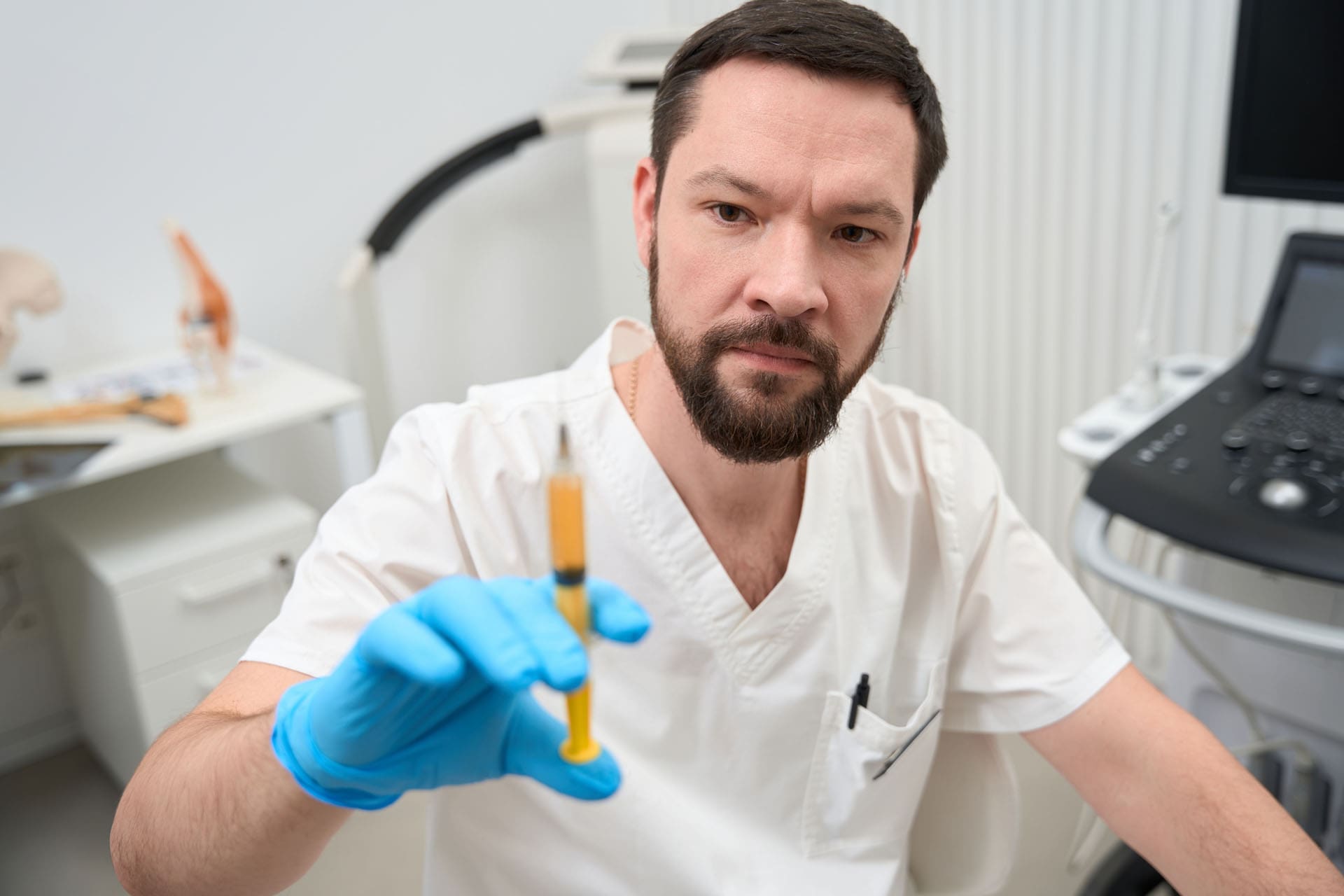
Platelet-rich plasma, or PRP, is made from a sample of a patient’s own blood. The blood is processed so the platelets become more concentrated. Platelets contain growth factors and signaling proteins that help the body respond to injury. When PRP is placed in an injured area, it is intended to support tissue repair, enhance healing, and reduce pain over time. This is why PRP is commonly used in tendons, ligaments, muscles, and joints. (Saint Joseph Health System, n.d.; West Texas Pain Institute, n.d.; OrthoEdge Orthopedics and Sports Medicine, n.d.)
In some regenerative systems, clinicians also work with protein-rich plasma-derived formulations. On the APEX Biologix platform, this is described as a protein concentrate, obtained by filtering platelet-poor plasma to capture useful proteins and growth-supporting factors. In practice, some clinics may refer to this family of plasma-based support as PFP or protein concentrate, depending on the protocol and equipment used. The larger idea is the same: use the patient’s own biologic material to create a better healing environment. (APEX Biologix, n.d.)
Microfragmented adipose tissue, or MFAT, is another autologous option. It is processed from a patient’s own fat tissue and is used in some practices as a regenerative injectable biologic. APEX describes MFAT as a way to harvest and concentrate adipose tissue at the point of care to support advanced regenerative treatment plans. Because it comes from the patient’s own tissue, it aligns with the same general philosophy as PRP: to enhance healing with the body’s own resources. (APEX Biologix, n.d.)
Where Peptides Fit In
Peptides are short chains of amino acids that can act like signaling molecules in the body. In regenerative settings, they are often described as messengers that may help direct tissue repair, control inflammation, and promote cellular recovery. That does not mean they replace PRP or MFAT. Instead, they may be used as part of a broader support plan designed to strengthen the body’s healing response. (Serenity Health Care Center, 2025; Jimenez, 2025)
This is important because healing is not just about a single injection or a single device. Favorable outcomes often depend on the full clinical picture, including tissue quality, inflammation levels, mobility, nutrition, sleep, and recovery habits. In integrative care, peptides may be used as one piece of a larger plan that supports the body’s repair signals while other therapies address structure, stability, and movement. (Serenity Health Care Center, 2025; Jimenez, 2026)
Why Shockwave Therapy Is Often Paired With Regenerative Care
Shockwave therapy is often added to help prepare the tissue and stimulate a stronger local healing response. StemWave notes that published evidence supports combining extracorporeal shockwave therapy with PRP in certain shoulder injuries. El Paso Chiropractic also describes benefits when shockwave is integrated with manipulation and other physical medicine strategies. In practical terms, shockwave can be used to wake up stagnant tissue, improve circulation and signaling, and create a better environment for regenerative biologics to work. (StemWave, 2025; El Paso Chiropractic, n.d.)
Dr. Alexander Jimenez’s recent regenerative medicine content also highlights the synergy between shockwave and platelet-based therapies. His clinical discussion explains that chronic tissue problems often need more than symptom control. They need a plan that helps restart healing at the tissue level. In that model, shockwave is not separate from regenerative care. It is part of the healing cascade. (Jimenez, 2026)
Common reasons clinicians combine shockwave with regenerative therapies
- To stimulate blood flow and local healing activity before or after biologic treatment
- To support stubborn tendon, ligament, and fascia problems
- To improve tissue response in chronic pain cases where healing has slowed
- To pair mechanical stimulation with biologic signaling for a more complete plan
- To help support function, movement quality, and recovery without surgery (StemWave, 2025; El Paso Chiropractic, n.d.; Jimenez, 2026)
The Integrative Chiropractic Difference
Regenerative medicine works best when the tissue being treated is also supported by better alignment, movement, and function. That is where structural chiropractic therapy can add value. Integrative chiropractic care does more than adjust the spine. It can include soft-tissue work, movement correction, strength support, rehabilitation, and nervous-system-focused care. This matters because even if the tissue begins to heal, poor mechanics can continue to stress the same area. (Personal Injury Doctor Group, 2026)
Under Dr. Alexander Jimenez’s direction, the public-facing clinic profile describes a practice led by a dual-licensed chiropractor and family nurse practitioner, with credentials that include APRN, FNP-BC, CCST, CFMP, and IFMCP. His website presents an integrative model that combines wellness, injury care, functional medicine, and evidence-based rehabilitation. That type of setting is especially relevant for regenerative care because it allows the clinical team to look at both structure and physiology, not just the painful body part. (Jimenez, n.d.; LinkedIn, n.d.)
What an integrative plan may include
- Regenerative injections or biologic procedures
- Shockwave therapy
- Structural chiropractic care
- Soft tissue therapy
- Mobility and stability exercises
- Functional medicine support
- Recovery coaching on sleep, nutrition, and inflammation control (Personal Injury Doctor Group, 2026; Jimenez, n.d.)
Why This Matters for Personal Injury and Sports Injury Recovery
After a vehicle accident or sports injury, the body often deals with more than one problem at a time. A patient may have joint irritation, muscle guarding, reduced motion, swelling, tendon strain, nerve irritation, and poor movement patterns all at once. If treatment focuses only on pain relief, more profound tissue problems may continue. Integrative chiropractic content from Personal Injury Doctor Group explains that the body functions as a single, interconnected system and that recovery is stronger when motion, tissue quality, and function are addressed together. (Personal Injury Doctor Group, 2026)
That is why regenerative medicine can be a strong fit for personal injury care. It offers a natural, non-surgical option that targets damaged tissue, while chiropractic and rehabilitation therapies address movement and structure. For active adults, athletes, and people seeking to avoid surgery, this can be an appealing path because the care plan is designed around healing, function, and long-term recovery rather than short-term masking. (New Regeneration Orthopedics, 2021; OrthoEdge Orthopedics and Sports Medicine, n.d.; West Texas Pain Institute, n.d.)
Clinical Observations From Dr. Alexander Jimenez
Across Dr. Jimenez’s educational content, a recurring theme is that pain should be traced to its cause whenever possible. His regenerative medicine pages describe a model in which PRP and related biologic therapies support tissue repair, while broader integrative care improves the conditions needed for better healing. His content also stresses that regenerative medicine is meant to stimulate the body’s repair mechanisms and restore function in damaged tissues. (Jimenez, 2022; Jimenez, 2026)
Another clear observation in Dr. Jimenez’s public educational work is that healing improves when therapies are layered intelligently. Recent articles on his site connect shockwave therapy, platelet-based treatments, movement restoration, and recovery support into one plan. That approach aligns with the core idea of integrative practice: reduce inflammation, improve structure, restore motion, and support the body’s healing. (Jimenez, 2026)
Final Thoughts
Regenerative medicine is best understood as a focused enhancer of the body’s own healing process. PRP, plasma-based protein concentrates, MFAT, and peptide-based signaling support are not magic shortcuts, but they may help create a better environment for repair. When these therapies are paired with shockwave therapy and structural chiropractic care, the goal is larger than pain control alone. The goal is to restore tissue health, improve mobility, reduce inflammation, and help people return to daily life, work, and activities with improved function and less reliance on surgery or medication. (Serenity Health Care Center, n.d.; StemWave, 2025; Personal Injury Doctor Group, 2026; Jimenez, 2026)
References
- APEX Biologix. (n.d.). Homepage.
- APEX Biologix. (n.d.). MiniTC Processing Kit.
- El Paso Chiropractic. (n.d.). Shockwave therapy.
- Jimenez, A. (2022). Pre-procedure protocols for regenerative medicine | Part 1.
- Jimenez, A. (2022). A guided look into regenerative cellular treatment | Part 1.
- Jimenez, A. (2026). A deep dive into regenerative medicine: Unlocking the synergistic power of shockwave therapy and platelet-rich plasma.
- Jimenez, A. (2026). Shockwave therapy explained: A comprehensive, evidence-based educational post.
- Jimenez, A. (2026). PRP therapy body detoxification and tissue repair explained.
- Jimenez, A. (n.d.). Dr. Alex Jimenez official website.
- Jimenez, A. (2025). Functional medicine strategies for gut repair and bioregulators.
- John Dunn MD. (n.d.). Regenerative medicine for sports injuries.
- LinkedIn. (n.d.). Dr. Alexander Jimenez DC, APRN, FNP-BC, IFMCP, CFMP.
- New Regeneration Orthopedics. (2021). Integrating regenerative medicine in chiropractic practice.
- OrthoEdge Orthopedics and Sports Medicine. (n.d.). Platelet-rich plasma therapy.
- Path to Wellness Integrated Health. (n.d.). Regenerative medicine.
- Personal Injury Doctor Group. (2026). Integrative chiropractic for personal injury recovery success.
- Saint Joseph Health System. (n.d.). How regenerative medicine and PRP therapy can help you.
- Serenity Health Care Center. (n.d.). What is regenerative medicine? A beginner’s guide to PRP, stem cells, extracorporeal shockwave, ESWT, and EBOO.
- Serenity Health Care Center. (2025). Regenerative medicine: Harness your body’s healing power.
- StemWave. (2025). Pre-treatment protocols in regenerative medicine.
- West Texas Pain Institute. (n.d.). Regenerative medicine.
Post Disclaimer
Professional Scope of Practice *
The information herein on "Regenerative Medicine for Joint and Tissue Repair" is not intended to replace a one-on-one relationship with a qualified health care professional or licensed physician and is not medical advice. We encourage you to make healthcare decisions based on your research and partnership with a qualified healthcare professional.
Blog Information & Scope Discussions
Welcome to El Paso's Premier Wellness, Personal Injury Care Clinic & Wellness Blog, where Dr. Alex Jimenez, DC, FNP-C, a Multi-State board-certified Family Practice Nurse Practitioner (FNP-BC) and Chiropractor (DC), presents insights on how our multidisciplinary team is dedicated to holistic healing and personalized care. Our practice aligns with evidence-based treatment protocols inspired by integrative medicine principles, similar to those on this site and our family practice-based chiromed.com site, and focuses on restoring health naturally for patients of all ages.
Our areas of multidisciplinary practice include Wellness & Nutrition, Chronic Pain, Personal Injury, Auto Accident Care, Work Injuries, Back Injury, Low Back Pain, Neck Pain, Migraine Headaches, Sports Injuries, Severe Sciatica, Scoliosis, Complex Herniated Discs, Fibromyalgia, Chronic Pain, Complex Injuries, Stress Management, Functional Medicine Treatments, and in-scope care protocols.
Our information scope is multidisciplinary, focusing on musculoskeletal and physical medicine, wellness, contributing etiological viscerosomatic disturbances within clinical presentations, associated somato-visceral reflex clinical dynamics, subluxation complexes, sensitive health issues, and functional medicine articles, topics, and discussions.
We provide and present clinical collaboration with specialists from various disciplines. Each specialist is governed by their professional scope of practice and their jurisdiction of licensure. We use functional health & wellness protocols to treat and support care for musculoskeletal injuries or disorders.
Our videos, posts, topics, and insights address clinical matters and issues that are directly or indirectly related to our clinical scope of practice.
Our office has made a reasonable effort to provide supportive citations and has identified relevant research studies that support our posts. We provide copies of supporting research studies upon request to regulatory boards and the public.
We understand that we cover matters that require an additional explanation of how they may assist in a particular care plan or treatment protocol; therefore, to discuss the subject matter above further, please feel free to ask Dr. Alex Jimenez, DC, APRN, FNP-BC, or contact us at 915-850-0900.
We are here to help you and your family.
Blessings
Dr. Alex Jimenez DC, MSACP, APRN, FNP-BC*, CCST, IFMCP, CFMP, ATN
email: [email protected]
Multidisciplinary Licensing & Board Certifications:
Licensed as a Doctor of Chiropractic (DC) in Texas & New Mexico*
Texas DC License #: TX5807, Verified: TX5807
New Mexico DC License #: NM-DC2182, Verified: NM-DC2182
Multi-State Advanced Practice Registered Nurse (APRN*) in Texas & Multi-States
Multi-state Compact APRN License by Endorsement (42 States)
Texas APRN License #: 1191402, Verified: 1191402 *
Florida APRN License #: 11043890, Verified: APRN11043890 *
Colorado License #: C-APN.0105610-C-NP, Verified: C-APN.0105610-C-NP
New York License #: N25929, Verified N25929
License Verification Link: Nursys License Verifier
* Prescriptive Authority Authorized
ANCC FNP-BC: Board Certified Nurse Practitioner*
Compact Status: Multi-State License: Authorized to Practice in 40 States*
Graduate with Honors: ICHS: MSN-FNP (Family Nurse Practitioner Program)
Degree Granted. Master's in Family Practice MSN Diploma (Cum Laude)
Dr. Alex Jimenez, DC, APRN, FNP-BC*, CFMP, IFMCP, ATN, CCST
My Digital Business Card
Licenses and Board Certifications:
DC: Doctor of Chiropractic
APRNP: Advanced Practice Registered Nurse
FNP-BC: Family Practice Specialization (Multi-State Board Certified)
RN: Registered Nurse (Multi-State Compact License)
CFMP: Certified Functional Medicine Provider
MSN-FNP: Master of Science in Family Practice Medicine
MSACP: Master of Science in Advanced Clinical Practice
IFMCP: Institute of Functional Medicine
CCST: Certified Chiropractic Spinal Trauma
ATN: Advanced Translational Neutrogenomics
Memberships & Associations:
TCA: Texas Chiropractic Association: Member ID: 104311
AANP: American Association of Nurse Practitioners: Member ID: 2198960
ANA: American Nurse Association: Member ID: 06458222 (District TX01)
TNA: Texas Nurse Association: Member ID: 06458222
NPI: 1205907805
| Primary Taxonomy | Selected Taxonomy | State | License Number |
|---|---|---|---|
| No | 111N00000X - Chiropractor | NM | DC2182 |
| Yes | 111N00000X - Chiropractor | TX | DC5807 |
| Yes | 363LF0000X - Nurse Practitioner - Family | TX | 1191402 |
| Yes | 363LF0000X - Nurse Practitioner - Family | FL | 11043890 |
| Yes | 363LF0000X - Nurse Practitioner - Family | CO | C-APN.0105610-C-NP |
| Yes | 363LF0000X - Nurse Practitioner - Family | NY | N25929 |
Dr. Alex Jimenez, DC, APRN, FNP-BC*, CFMP, IFMCP, ATN, CCST
My Digital Business Card


 Again, We Welcome You.
Comments are closed.