


Table of Contents
Recognizing Neuropathic Gait: Key Signs, Diagnosis & Management
Can physical therapies help treat a high steppage gait from injury or medical conditions and restore normal gait patterns for individuals who have or are developing one?
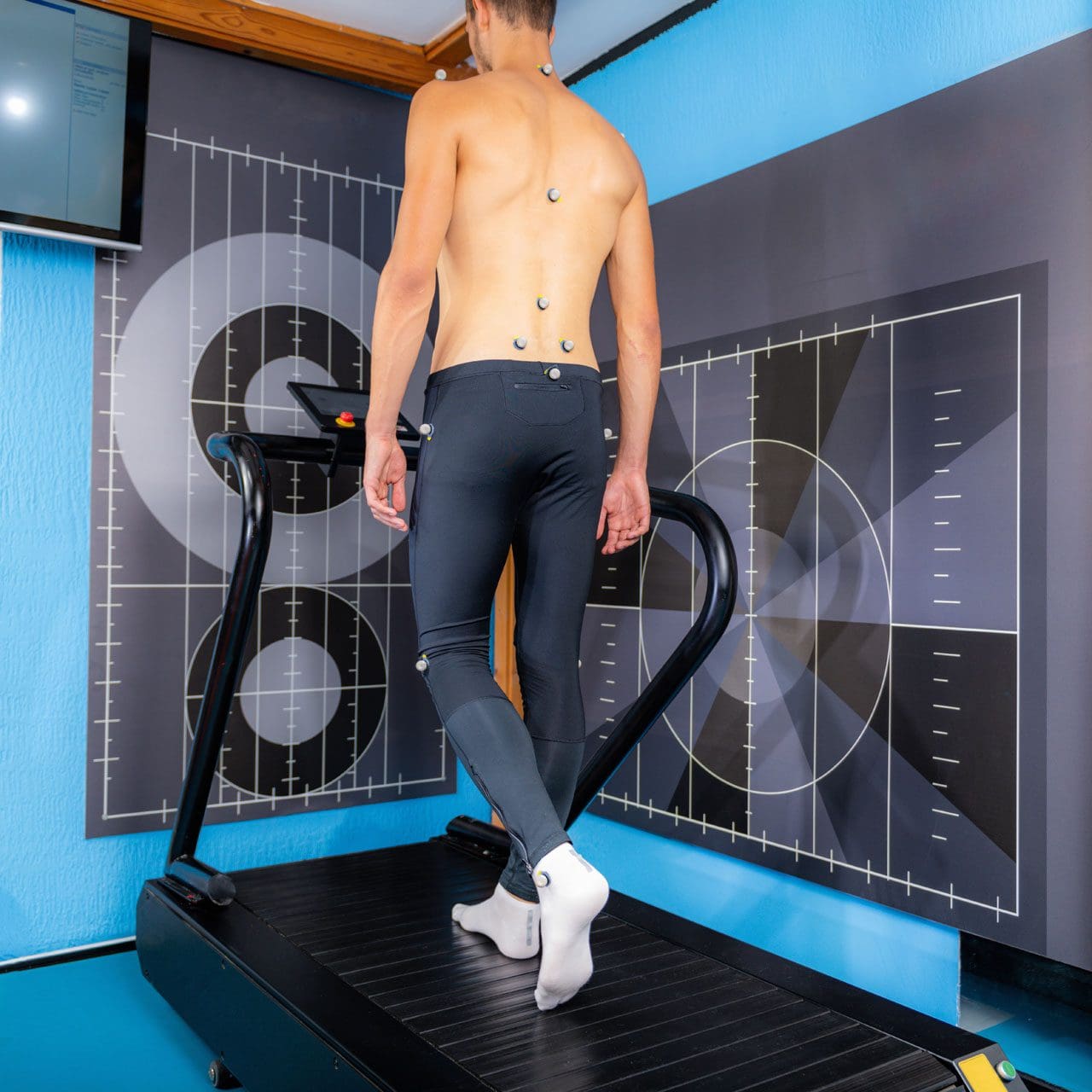
Neuropathic Gait
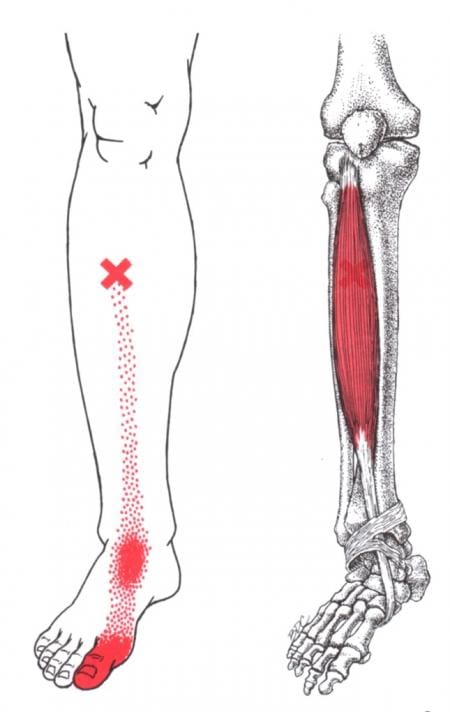
Often referred to as steppage gait or high-steppage gait, neuropathic gait arises from foot drop, a condition where the foot cannot dorsiflex (lift), causing the toes to point downward and drag during walking. To compensate, individuals lift their hip and knee higher than normal to clear the foot. This gait pattern typically results from weakness or paralysis of the tibialis anterior muscle, which is innervated by the deep fibular (peroneal) nerve. Wikipedia Scientists
1. What Is Neuropathic Gait?
Often referred to as steppage gait or high-steppage gait, neuropathic gait arises from foot drop, a condition where the foot cannot dorsiflex (lift), causing the toes to point downward and drag during walking. To compensate, individuals lift their hip and knee higher than normal to clear the foot. This gait pattern typically results from weakness or paralysis of the tibialis anterior muscle, which is innervated by the deep fibular (peroneal) nerve (Wikipedia).
2. Common Causes
Causes fall into neurological or musculoskeletal categories:
- Compression of the peroneal nerve at the fibular head, often following trauma, prolonged leg crossing, or surgery (Wikipedia, newedgefamilychiropractic.com)
- Sciatica or lumbosacral radiculopathy, impacting nerve roots controlling dorsiflexion (Chiropractic Scientists | 915-850-0900, Algonquin Chiropractic Center)
- Multiple sclerosis, Guillain-Barré syndrome, Charcot-Marie-Tooth disease, and stroke, all of which can impair lower motor signals (Wikipedia)
- Other causes: polio, ALS, anterior compartment syndrome, spinal disc herniation, and more. (Wikipedia)
3. Clinical Presentation & Assessment
Visual and Functional Signs:
- The foot hangs in plantar flexion (“floppy”), and the toes drag
- The hip and knee are exaggeratedly lifted (high-steppage motion)
- Increased risk of stumbles and falls
Diagnostic Techniques:
- Neurologic examination: muscle strength testing, reflexes, sensation
- Neurodynamic tests to reproduce symptoms by stressing nerves (Chiropractic Scientists | 915-850-0900, PubMed Central)
- Electrodiagnostic studies (EMG/NCS) to pinpoint nerve conduction defects
- Imaging (MRI, ultrasound) to identify nerve compression or structural lesions
Recently, innovative sensing modalities such as WiFi-based gait analysis and video-based systems have shown promise in characterizing neuropathic gait relative to clinician visual inspection (Algonquin Chiropractic Center, arXiv).
4. Interventions & Management Strategies
Conservative Therapies:
- Targeted PT: ankle dorsiflexion exercises, calf stretches, gait, and balance training
- Neuromuscular electrical stimulation (NMES) to activate tibialis anterior and restore dorsiflexion function (Chiropractic Scientists | 915-850-0900)
Assistive Devices:
- Use of ankle-foot orthoses (AFOs) to mechanically prevent foot drop
- Elastic dorsiflexion bands (temporary solution) to support foot lifting during swing phase (Chiropractic Scientists | 915-850-0900)
Chiropractic & Manual Therapeutic Support:
- Chiropractic care focuses on joint alignment, spinal decompression, and nervous system coordination
- A notable case of Parkinson’s disease with gait disturbances reported significant improvements in gait symmetry, stride control, and posture following targeted spinal manipulation and therapy over 11 weeks (acr.amegroups.org)
Multidisciplinary Approach:
- Coordination with neurologists, physiatrists, and orthopedic providers is key
- Functional medicine and nutrition support may enhance nerve healing and reduce inflammation
5. Emerging Insights & Research
- WiFi-based gait monitoring shows comparable diagnostic performance to visual examination in diverse neurological conditions such as neuropathy, stroke, and Parkinson’s disease, offering potential for remote and contactless screening (arXiv)
- Long-term outcomes of rehabilitative neural therapies like NMES and gait training continue to be evaluated in clinical trials, especially in chronic neuropathies and neurodegenerative conditions
Summary Table
| Component | Key Points |
|---|---|
| Definition | Neuropathic gait (steppage) stems from dorsiflexion loss due to tibialis anterior weakness |
| Primary Causes | Peroneal nerve injury, sciatica, MS, stroke, degenerative neuropathies |
| Symptoms & Signs | Dragged toes, high-stepping gait, hip hiking, balance issues |
| Diagnostic Tools | Neuro exam, EMG/NCS, imaging, emerging gait-sensing technologies |
| Therapies | Strength training, NMES, gait retraining, orthoses, chiropractic/manual care |
| Evidence-based Supports | Case reports showing improvements in gait/posture; clinical trials of non-contact gait assessment tools |
Assistive Walking Devices
A therapist may suggest using an assistive device to help the patient walk properly. This could include a wheeled walker or a quad cane. A temporary solution to anterior tibialis weakness is to elevate the foot while walking with an elastic band. Tie a band around the leg below the knee and secure it around the ball of the foot. When swinging the leg forward, the band pulls the foot up. Using it as a temporary solution may help maintain safe mobility. Sometimes, paralysis of the anterior tibialis muscle can become permanent. In this case, individuals may benefit from a special brace called an ankle-foot orthosis. The brace helps to lift the foot and toes off the ground.
For individuals concerned about losing their balance and falling, there are ways to improve walking patterns to stay safe. A healthcare provider may recommend physical therapy to correct gait, strengthen the anterior tibialis muscle, improve balance, and educate on injury prevention. Individuals should discuss symptoms and conditions with a primary physician, healthcare provider, or specialist to receive guidance and determine the best treatment.
Injury Medical Chiropractic and Functional Medicine Clinic uses an integrated approach personalized to the individual, focusing on what works for them. This approach addresses injuries and chronic pain syndromes by creating personalized care plans that enhance physical abilities through flexibility, mobility, and agility programs aimed at relieving pain. If other treatment is needed, Dr. Jimenez has teamed up with top surgeons, clinical specialists, medical researchers, and rehabilitation providers to provide the most effective treatments.
Control Foot Motion and Posture
References
Hollis, K., & McClure, P. (2017). Peripheral neuropathy and gait disturbances. Retrieved from https://chiropracticscientist.com/recognizing-neuropathic-gait-signs-and-diagnosis/
Johns Hopkins Medicine. (2024). Foot drop. Retrieved from https://www.hopkinsmedicine.org/health/conditions-and-diseases/foot-drop
Kaykisiz, E. K., & Unluer, E. E. (2017). Steppage gait: Clinical evaluation and management. Retrieved from https://chiropracticscientist.com/recognizing-neuropathic-gait-signs-and-diagnosis/
McCabe, R. A., & McCabe, C. (2016). Understanding neuropathic gait disorders: An overview for clinicians. Retrieved from https://chiropracticscientist.com/recognizing-neuropathic-gait-signs-and-diagnosis/
Taylor, R., Silva, P., & Nguyen, T. (2016). Diagnosis and treatment of peripheral nerve injury affecting gait. Retrieved from https://chiropracticscientist.com/recognizing-neuropathic-gait-signs-and-diagnosis/
Wikipedia. (2024). Steppage gait. Retrieved from https://en.wikipedia.org/wiki/Steppage_gait
PubMed Central. (2008). Neurodynamic testing and treatment of peripheral nerve dysfunction. Retrieved from https://www.ncbi.nlm.nih.gov/pmc/articles/PMC1955449/
AmeGroups. (2023). Improvements in gait symmetry in Parkinson’s disease after chiropractic intervention: A case report. Retrieved from https://acr.amegroups.org/article/view/6535/html
ArXiv. (2024). Gait disorder classification with WiFi: Stepping into the future of non-invasive mobility analysis. Retrieved from https://arxiv.org/abs/2502.05328
New Edge Family Chiropractic. (2023). Symptoms and diagnosis of peripheral neuropathy. Retrieved from https://newedgefamilychiropractic.com/symptoms-and-diagnosis-of-peripheral-neuropathy/
ALG Chiropractic. (2023). Sciatica or peripheral neuropathy: Understanding the difference. Retrieved from https://algchiro.com/sciatica-peripheral-neuropathy/



 Again, We Welcome You.
Comments are closed.