


Table of Contents
The Science Behind Integrated Chiropractic Care for Personal Injury Recovery in El Paso
When someone is involved in a car accident or work-related injury, the body undergoes a complex chain of events. Muscles tighten, joints misalign, nerves become irritated, and inflammation spreads. Healing requires more than one type of treatment. Research and clinical practice show that coordinated, multidisciplinary care delivered under one roof produces better outcomes than fragmented visits across separate offices.
This article explains, in clear terms, how integrated injury clinics combine chiropractic science with medical oversight, advanced technologies, and thorough documentation. The goal is faster patient recovery and stronger, evidence-based records for legal or workers’ compensation claims. At clinics like Injury Medical Clinic PA in El Paso, this model is led by chiropractic and nurse practitioner expertise working alongside internal medicine direction.

Why Fragmented Care Falls Short: The Case for Integration
Traditional care often splits treatment. A patient might see one provider for imaging, another for adjustments, and a third for medications or referrals. Each office keeps separate records. Important details can slip through the cracks. The body’s healing processes—such as reduced blood flow to injured discs or compensatory posture changes—do not respect office walls.
Integrated clinics solve this by design. A single team shares one set of records and meets regularly to adjust the plan based on real-time progress. Chiropractic adjustments restore joint motion and nervous system function. Medical oversight catches whole-body effects. Rehabilitation rebuilds strength. Advanced therapies target stubborn tissue damage. Because everyone works from the same data, care stays consistent and efficient. Clinical observations from thousands of personal injury cases confirm that this connected approach shortens recovery time and reduces the risk of long-term problems.
Coordinated Care: Chiropractic Science Meets Medical Direction
At the center of effective integration stands the collaboration between chiropractors and nurse practitioners, supported by medical director oversight. Chiropractors focus on biomechanics—the way the spine, joints, and soft tissues move and bear load. Precise adjustments improve alignment, decrease nerve irritation, and support the body’s natural anti-inflammatory responses. Nurse practitioners provide comprehensive medical evaluation, order diagnostic tests when needed, manage medications, and monitor systemic factors, such as inflammation or metabolic influences, that affect healing.
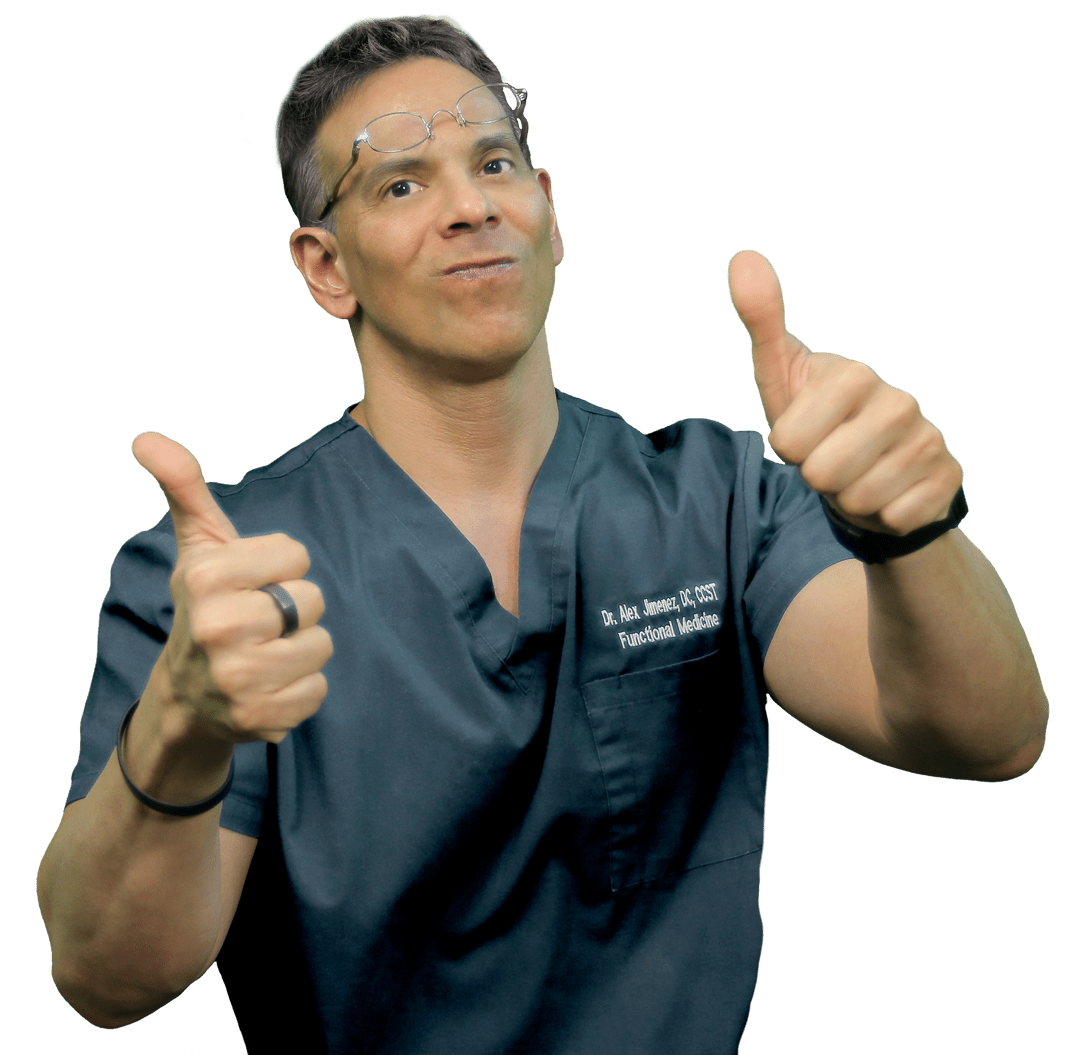
This dual-scope model allows one provider to assess both structural and overall health issues in a single visit. In El Paso, Dr. Alexander Jimenez, DC, APRN, FNP-BC, combines these perspectives. His clinical observations emphasize that protocols built around each patient’s unique presentation—using careful exams, digital motion X-rays, nerve testing, and functional assessments—lead to more precise care than generic plans. He notes that treating the whole person, not just the painful spot, aligns with the future of evidence-based healthcare.
Supporting this model is Dr. Maria Guadalupe Cardenas, MD, Board Certified in Internal Medicine. With over 44 years of experience and Texas MD License #J2933 (NPI #1164426749), she serves as Medical Director and Collaborative Physician at Injury Medical Clinic PA. Dr. Cardenas provides medical oversight, ensures regulatory compliance, mentors the team, and helps coordinate care across disciplines. Her internal medicine background complements chiropractic science by addressing any broader health factors that could slow recovery from auto accidents or work injuries. Together, the team delivers seamless care that covers musculoskeletal damage, functional rehabilitation, and whole-person support.
Advanced Technologies Explained Through Simple Science
Integrated clinics go beyond basic adjustments when injuries are severe or slow to heal. Each technology has a clear scientific basis that supports tissue repair and provides measurable data for records.
Spinal decompression uses a specialized table to apply gentle, controlled traction to the spine. From a biomechanical view, this reduces pressure inside injured discs, improves nutrient exchange, and relieves compression on pinched nerves. Patients with sciatica or radiating pain often notice decreased symptoms as nerve function improves. Progress is tracked with regular range-of-motion measurements and pain scales, creating objective evidence of change.
MLS laser therapy and shockwave therapy deliver specific forms of energy to injured areas. Shockwave works through mechanotransduction—acoustic waves stimulate cells to increase blood flow, reduce inflammation, and accelerate soft-tissue repair. MLS laser targets deeper tissues with light energy to calm pain signals and support cellular recovery. Both are non-invasive and well-documented in progress notes, showing exactly how the body responded, session by session.
Regenerative options such as platelet-rich plasma (PRP), platelet-rich fibrin (PRF), and micro-fragmented adipose tissue (MFAT) use the patient’s own healing elements. Blood or fat tissue is processed to concentrate growth factors and signaling molecules. These are then placed at the injury site to encourage repair of tendons, ligaments, and joints. The science centers on the body’s own repair signals working more efficiently when concentrated and delivered precisely where needed.
Epidural injections, performed with imaging guidance, help when nerve irritation causes severe pain. They reduce inflammation around compressed spinal nerves, allowing patients to participate more fully in rehabilitation. All procedures and responses are recorded in detail, linking each step directly to the original injury.
Medical-Legal Documentation: Building an Evidence Chain
Strong documentation is both a clinical and legal tool. Integrated teams create a single continuous record that links the accident mechanism to the injuries, the treatments chosen, and the measurable progress achieved. Notes include timelines, objective findings (range of motion, strength, imaging), functional limitations, and the rationale for each therapy.
This complete picture helps personal injury attorneys develop defensible cases. It shows that care was reasonable and necessary. It counters attempts to minimize injuries or question treatment. Many clinics work on a lien basis, allowing patients to focus on healing while records support settlement negotiations for medical bills, lost wages, and quality-of-life impacts. Clinical experience demonstrates that well-organized, professional documentation from a coordinated team carries significant weight with insurance companies and in legal proceedings.
What Clinical Observations Reveal About Outcomes
Years of treating personal injury patients show consistent patterns. When chiropractic biomechanics, medical oversight, rehabilitation, and advanced therapies operate together, patients often experience faster pain relief and better return of function. Hidden issues—such as compensatory posture problems or lingering inflammation—are identified earlier because the team communicates daily. The documentation created along the way not only supports legal needs but also guides ongoing adjustments to the care plan.
Dr. Jimenez’s observations highlight that protocols honoring each individual’s clinical presentation, combined with natural and evidence-based methods, empower patients to move beyond pain and regain mobility, strength, and daily function. The integration of chiropractic science with broader medical collaboration reduces reliance on fragmented care and supports long-term wellness.
Clear Benefits of Choosing an Integrated Approach
Patients gain several practical advantages. Care feels less stressful because records and providers stay connected. Advanced therapies target stubborn problems that basic care alone may not resolve. Objective measurements track real progress, giving both patients and legal teams confidence in the process. The end result is often a quicker return to work and daily activities with stronger supporting documentation.
If you have been injured in a motor vehicle accident or at work in the El Paso area, consider how evidence-based integrated care can support both your recovery and your claim. The combination of chiropractic science, coordinated medical direction, and thorough documentation offers a clear path forward.
For questions about your specific situation or to learn more about personalized care plans, contact the office at (915) 850-0900 or (915) 412-6677. Dr. Alex Jimenez and the team at Injury Medical Clinic PA are ready to help.
References
Jimenez, A. (2025, June 27). The vital role of chiropractors and nurse practitioners in personal injury cases: A comprehensive guide to recovery and compensation. LinkedIn. https://www.linkedin.com/pulse/vital-role-chiropractors-nurse-practitioners-personal-dr-alexander-nkebc
El Paso Back Clinic. (n.d.). Integrative chiropractic clinics help personal injury claims. https://elpasobackclinic.com/integrative-chiropractic-clinics-help-personal-injury-claims/
Injury Medical Clinic PA. (n.d.). Dr. Maria Cardenas, MD (board-certified internal medicine specialist). https://dralexjimenez.com/dr-maria-cardenas-md-board-certified-internal-medicine-specialist/



 Again, We Welcome You.
Comments are closed.