I hope you have enjoyed our blog posts on various health, nutritional and injury related topics. Please don't hesitate in calling us or myself if you have questions when the need to seek care arises. Call the office or myself. Office 915-850-0900 - Cell 915-540-8444 Great Regards. Dr. J
Neck Pain and Feeling Dizzy: Cervicogenic/Cervical Vertigo
Senior man is suffering from neck pain.
Share
When neck pain and becoming dizzy present it is called cervical vertigo or cervicogenic dizziness. It can present from different causes. It could be a recent or previous automobile accident, or from slouching too much while looking down at the phone, or it could be an arthritic condition acting up. Whatever the reason/s the spinning, neck pain, and headaches, need to stop. Cervical vertigo, also known as cervicogenic dizziness, is a feeling of disorientation or unsteadiness caused by a neck injury or health condition that affects the neck region of the spine.
There is almost always neck pain when the dizziness starts up. The range of motion is affected and can present with a headache. A cervical vertigo episode can go on for hours, and the condition can last for years.Diagnosing cervical vertigo can be a challenge because some of the symptoms are similar or overlap with other medical issues. This can be inner ear infections/issues to stroke and traumatic brain injury/s like a concussion. Fortunately, once there is a correct diagnosis many of the treatment therapies can be done at home. If there is a cause coming from the neck then it can usually be treated without surgery.
Table of Contents
How Balance Works
Keeping the body upright and moving takes a great deal of coordination. Balance involves the:
Eyes
Muscles
Joints
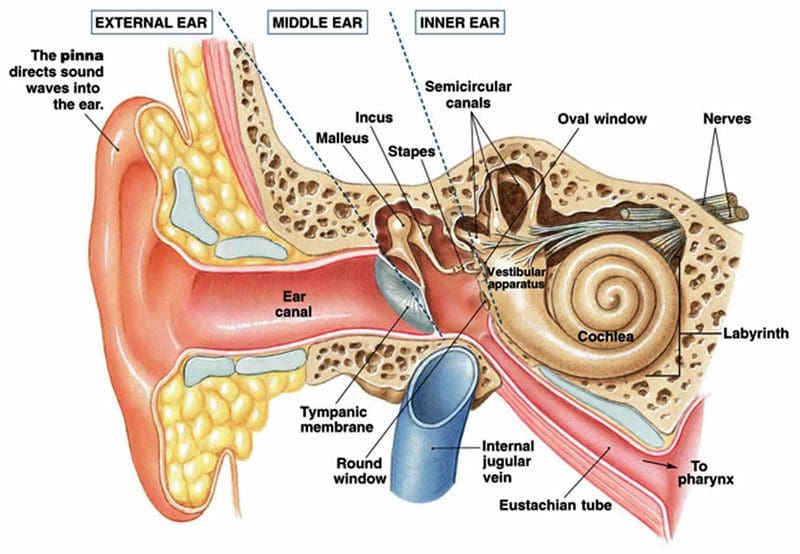
And the nervous system working together with the inner ear organs called the vestibular system.
When everything is in sync, maintaining equilibrium is as natural as breathing. If one area gets damaged or becomes disrupted, maintaining vertical balance can be a challenge. The exact reason for cervical vertigo is still unknown, but many experts believe it involves a communication problem between the vestibular system and body awareness. Proprioception is the awareness of an individual’s body’s position and motions. It is how an individual knows where their limbs and joints are, and how they move through space. This awareness involves:
Sensors in the skin
Muscles
Joints that send signals to the nervous system
There is a theory that cervical vertigo happens when an injury or health condition interferes with the receptors in the neck, which throws off proprioception. This affects the signals being transmitted to the brain and vestibular system. The result is vertigo.
Diagnosing Cervical Vertigo
There is no official test to diagnose cervical vertigo. Instead, a doctor needs to rule out other possible causes of symptoms and confirm the issue is neck-related. This is known as exclusion diagnosis. Other conditions that have similar symptoms and should be considered include:
Neck pain can be a clue that the problem could be cervical vertigo. When an individual has pain, it can be easier to diagnose because it is a kind of reference. When neck pain is not present, healthcare professionals look to the ear or brain.
Spine Conditions That Can Cause A Feeling of Being Dizzy
Sometimes, it can be caused by physical trauma, while other times, it is a result of a health condition that affects the spine. The most common causes include:
Age
Getting older is a potential risk factor from all the wear and tear of regular living. Age can affect neck strength, mobility and increases the chances of developing various health issues.
Whiplash
If the head and neck snap forward and backward at high speed, the result is often whiplash. It is a neck spasm after a high-velocity injury, most commonly an automobile accident.
Cervical spondylosis
This is also known as arthritis of the neck. Cervical spondylosis involves the breakdown of the spine’s discs and joints over time. The discs are the body’s shock absorbers. If they begin to lose water content this starts the degenerative inflammatory process. During this process, bone spurs can begin to develop. This can cause compression of the nerves, blood vessels, and the spinal cord, which can lead to vertigo.
Herniated disc
When the center of a spinal disc bulges out/herniates, it can press on the spinal cord, compressing the spinal cord or the nerves.
Poor posture
Slouching when sitting or looking down to read the phone can compress the vertebrae at the top of the spine.
This can cause vertigo if the surgery damaged the area, nearby blood vessels, or nerves.
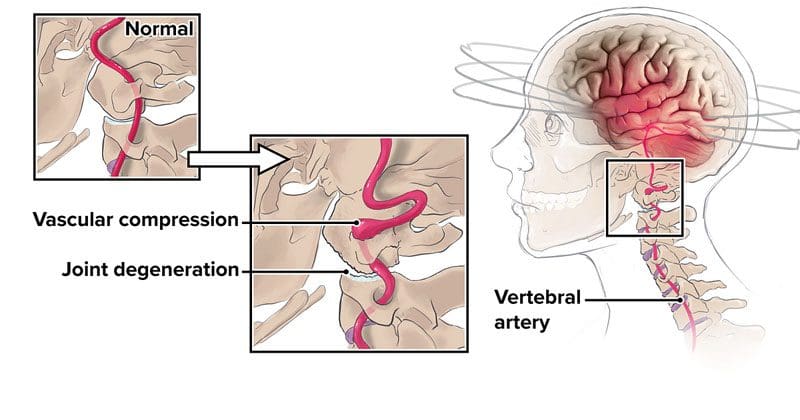
Bow Hunter’s Syndrome
Also known as rotational vertebral artery occlusion. It is the compression of a blood vessel in the neck called the vertebral artery, although it is rare.
Treatment Options
Cervical vertigo can be managed without surgery. A healthcare provider can begin the process of diagnosing and start treating any underlying health problems to relieve symptoms. Muscle relaxers and over-the-counter analgesics like ibuprofen or acetaminophen can help with pain, and medications like meclizine can help with dizziness.
Aerobic exercise
Physical activities like walking, running, biking or swimming can reduce inflammation and pain. However, for aerobic exercise to be effective, the heart rate has to hit the aerobic zone for at least 15 to 30 minutes per session, at least 3 to 5 times per week.
Strength and balance training
Exercise can ease symptoms. Yoga, Pilates, and tai chi incorporate mindfulness and breathing techniques that are proven to help with pain relief.
Physical therapy
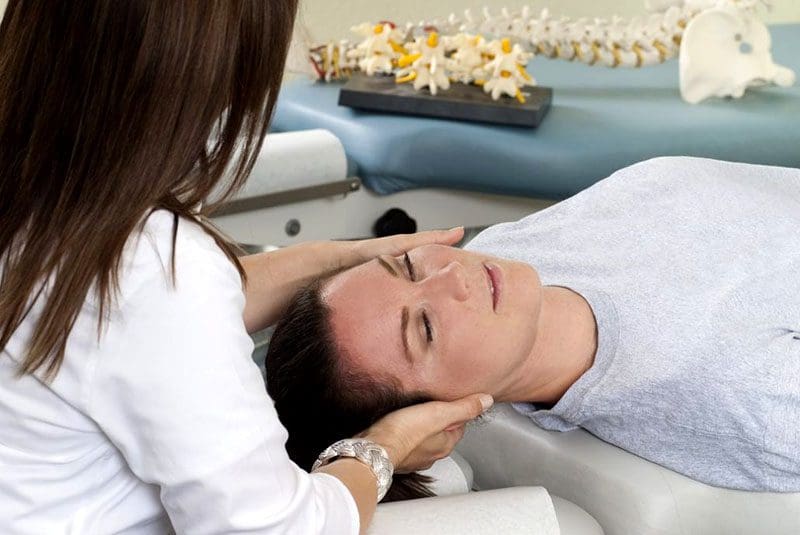
Physical therapy is recommended for building strength, improving posture, and neck mobility. Manual therapy works the muscles and joints and has been found to be helpful.
Massage
Therapeutic massage can be beneficial for cervical vertigo as it eases tension on the neck and allows better circulation in the arteries.
Acupuncture
Acupuncture has been shown to be beneficial for neck pain, and for the treatment of vertigo.
Check with a healthcare provider first to check which is the right treatment to pursue. Conduct plenty of research and ask questions. Above all, don’t let symptoms go unaddressed.
Body Composition
Probiotics and Prebiotics
A probiotic is referred to as good bacteria that keeps viruses and bad bacteria in check. The health benefits range from:
Boosting immune system function
Reducing cholesterol levels
Keeps anxiety levels in check
Probiotics can be thought of as a personal army that protects the gut/body 24/7.
Yogurts that are low in sugar and high in bacteria cultures along with fermented foods are highly beneficial. If fermented foods cannot be taken, consider probiotic supplements to increase gut health. Good gut bacteria can be helped by consuming prebiotics. Prebiotics are a form of soluble fiber. The body cannot digest prebiotics, but gut bacteria can. Optimal sources of fiber-rich prebiotics can be found in nutrient-dense foods like:
A diet with various types of fiber has been shown to reduce the risk of obesity and prevent weight gain.
Dr. Alex Jimenez’s Blog Post Disclaimer
The scope of our information is limited to chiropractic, musculoskeletal, physical medicines, wellness, and sensitive health issues and/or functional medicine articles, topics, and discussions. We use functional health & wellness protocols to treat and support care for injuries or disorders of the musculoskeletal system. Our posts, topics, subjects, and insights cover clinical matters, issues, and topics that relate and support directly or indirectly our clinical scope of practice.*
Our office has made a reasonable attempt to provide supportive citations and has identified the relevant research study or studies supporting our posts. We also make copies of supporting research studies available to the board and or the public upon request. We understand that we cover matters that require an additional explanation as to how it may assist in a particular care plan or treatment protocol; therefore, to further discuss the subject matter above, please feel free to ask Dr. Alex Jimenez or contact us at 915-850-0900. The provider(s) Licensed in Texas& New Mexico*






 Again, We Welcome You.
Comments are closed.