I hope you have enjoyed our blog posts on various health, nutritional and injury related topics. Please don't hesitate in calling us or myself if you have questions when the need to seek care arises. Call the office or myself. Office 915-850-0900 - Cell 915-540-8444 Great Regards. Dr. J
Spinal Injection or Nerve Block For Neck and Back Pain
Doctor in lab coat sitting in front of patient and checking x-ray image of spinal disk in hospital room
Share
Spinal injections are exactly what the name says. They are administered direct injections of medicine/s in a specific location of the spine. These are used to treat various conditions affecting the spine when non-invasive treatment/s are not working.
This could be an area along the upper cervical/neck spine all the way down to the sacrum. Injections are also utilized in helping to diagnose neck or back pain that radiates or spreads into an individual’s arms and legs. These are known as:
Cervical radiculopathy
Lumbar radiculopathy
Spinal injection/s for diagnostic or treatment purposes could be a part of an overall treatment plan along with chiropractic/physical therapy and possible medication.
Table of Contents
The medicine in the injection
The medicine could be comprised of a local anesthetic on its own, steroid on its own, or a combination of the two. Steroids are short for corticosteroid, which is a strong anti-inflammatory medication. A contrast dye like an x-ray dye could be added to the injection mix. This dye acts as a guide for precise placement of the needle using image guidance.
Spinal disorders that could benefit
Proceeding with an injection treatment plan is based on an individual’s unique factors that apply to their condition/state. This decision will be made after consultation, and diagnosis with your doctor, spine specialist, or chiropractor.
Healthcare providers recommend conservative treatment first. A treatment plan typically runs around 4-6 weeks. If there is no change or improvement in the individual’s condition from the conservative therapy then injection treatment/s could be recommended. Conditions, where injection/s are used, include:
Disc herniation
Facet joint pain
Failed back syndrome
Sacroiliac joint pain
Sciatica
Spinal stenosis
Spinal injection and nerve block difference
Spinal injections are a general term that could mean any type of injection involving the spine. Nerve blocks are a precise type of injection that targets a specific nerve. As the medicine is injected into the target nerve/s, it blocks or creates a blockade of the pain signals being sent from the area (ex. neck, low back, etc.) that is generating the pain.
Injection types
Epidural
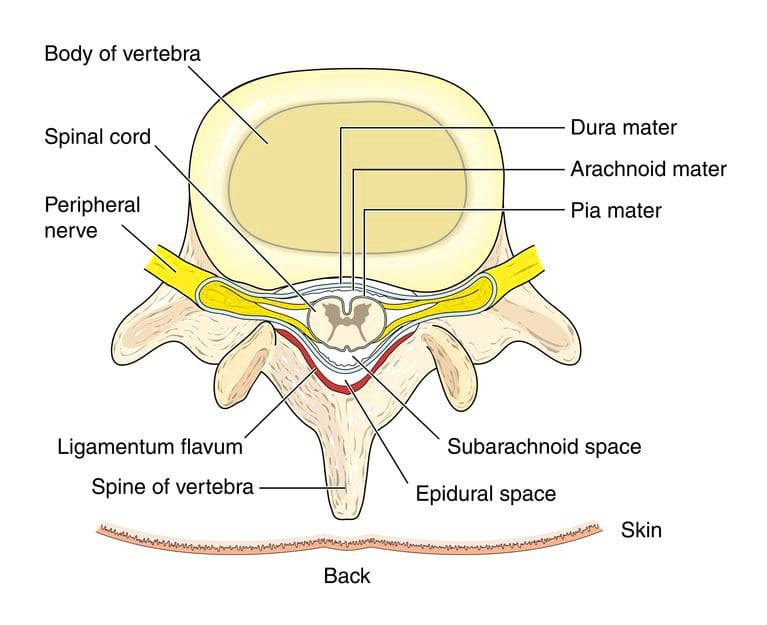
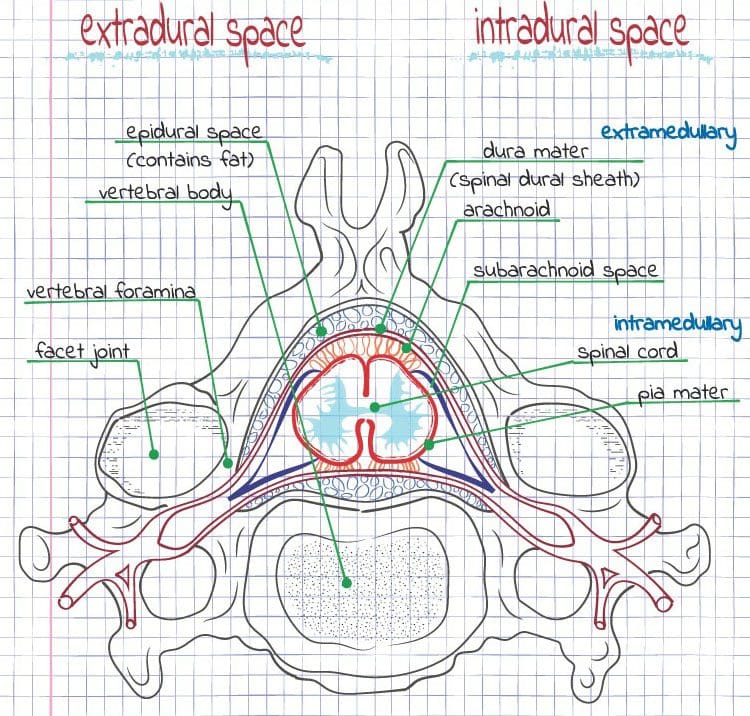
An epidural means an injection on the dura. The dura is the outermost layer that encloses the spinal cord.
3 types of epidurals. They are named according to the direction and angle the needle takes to get to the dura.
Caudal epidural:
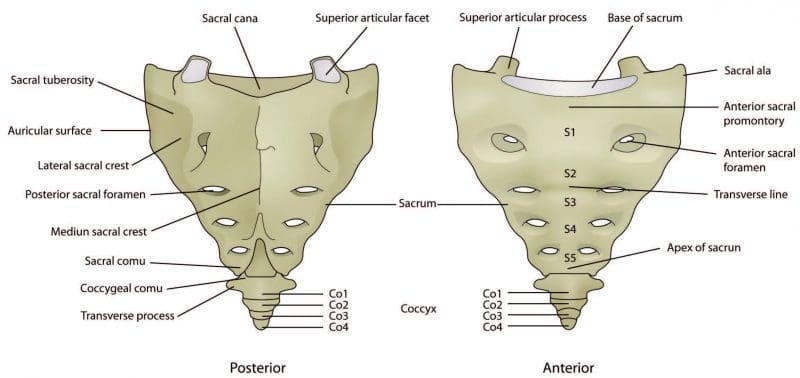
The spinal canal ends at an opening at the end of the sacrum called the spinal hiatus. The medicine is injected into the epidural space through the sacral hiatus. This is the method that is used to provide anesthesia to pregnant women when they’re in labor.
Transforaminal epidural:
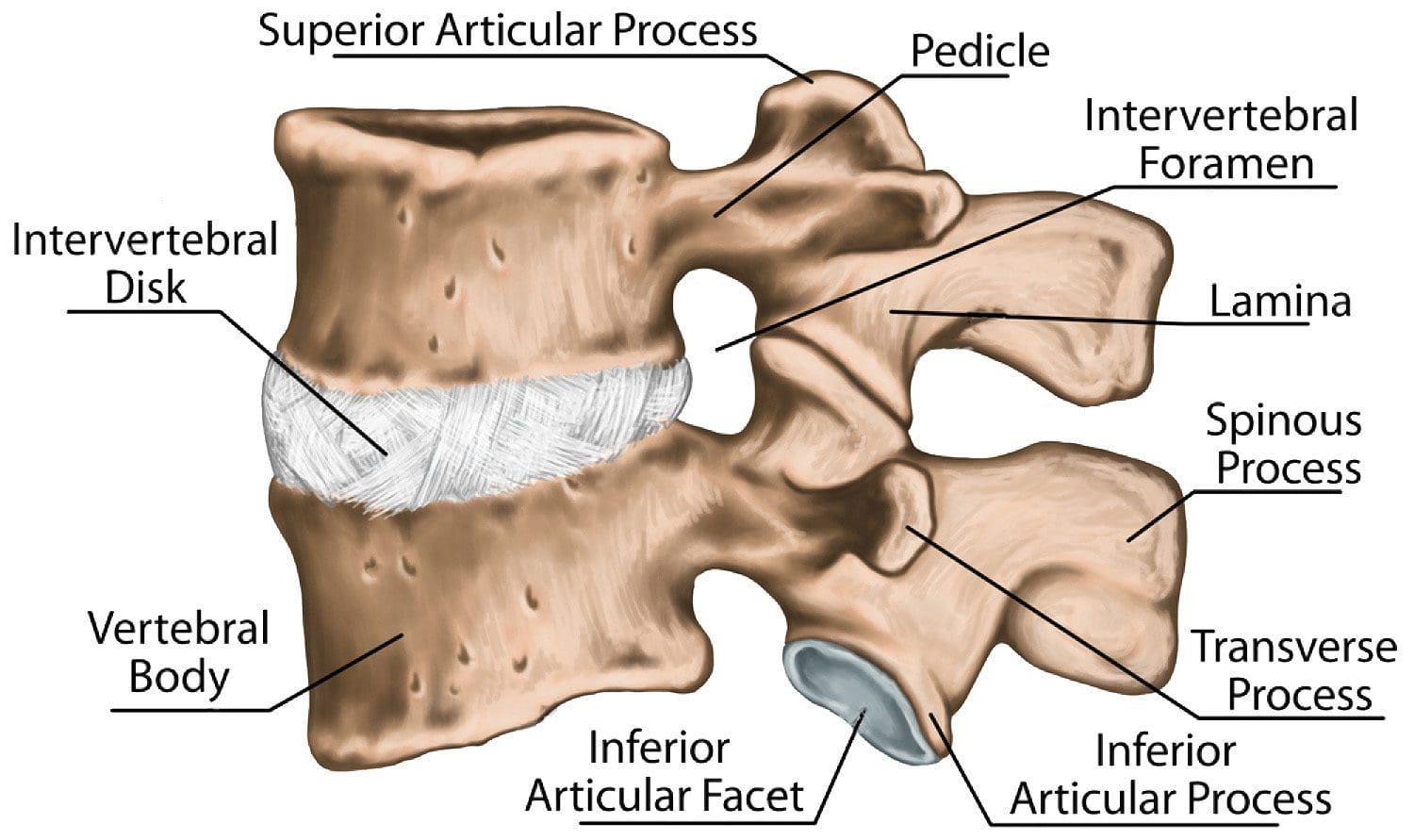
There are nerve roots that come out of the spinal canal at each level through a bony opening called the intervertebral foramen or neuroforamen. The medicine is injected into the epidural space in these areas.
Interlaminar epidural:
The lamina is a section that forms the arch of each level and forms the spinal canal. The lamina at each level lays on top of the lamina right below. The needle is inserted between the lamina for delivery of the medicine into the epidural space.
Selective Nerve Root Block – SNRB
These involve the injection of a local anesthetic onto a targeted nerve. They are typically used for diagnostic purposes. For individuals with multi-spinal compression/s, these combined with:
Medical history
Physical exam
MRI
These can help identify the pain generator such as spinal stenosis.
Medial Branch Block – MBB
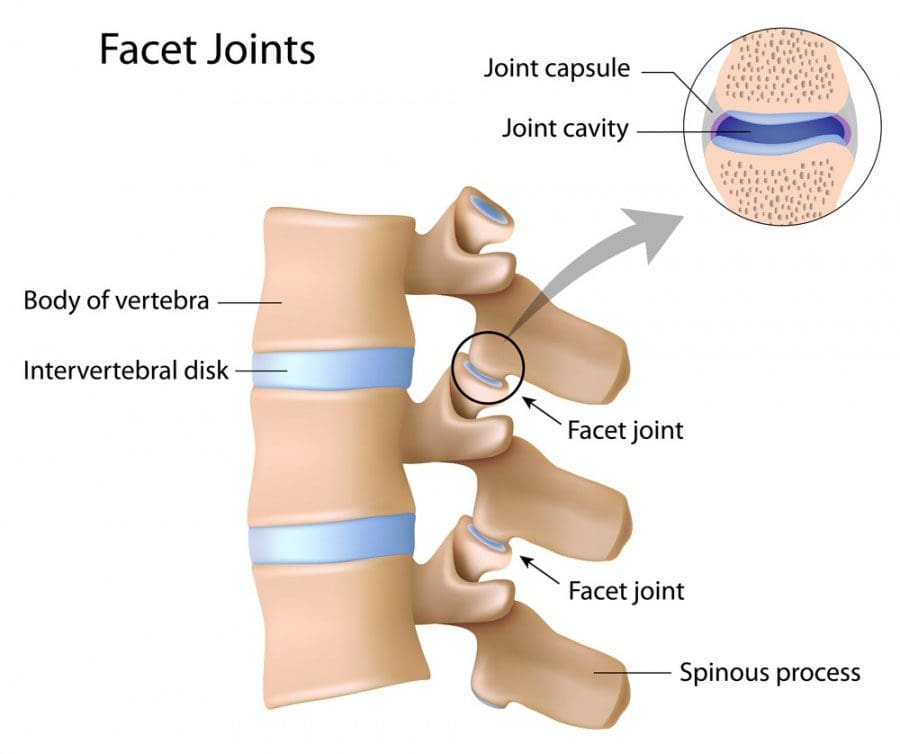
The facet joints are bony projections that connect a vertebral level to the levels above and below. These can become arthritic and is responsible for different forms of back pain.
This type of spinal injection is local anesthetic injected on the medial branch nerves. These are the nerves that send pain signals from the facet joint/s. They are useful in determining if the facet joint is the pain generator.
Facet Joint
These are injections directly into the facet joint itself. Much like injecting anti-inflammatory and pain meds into a knee with arthritis.
Sacroiliac Joint
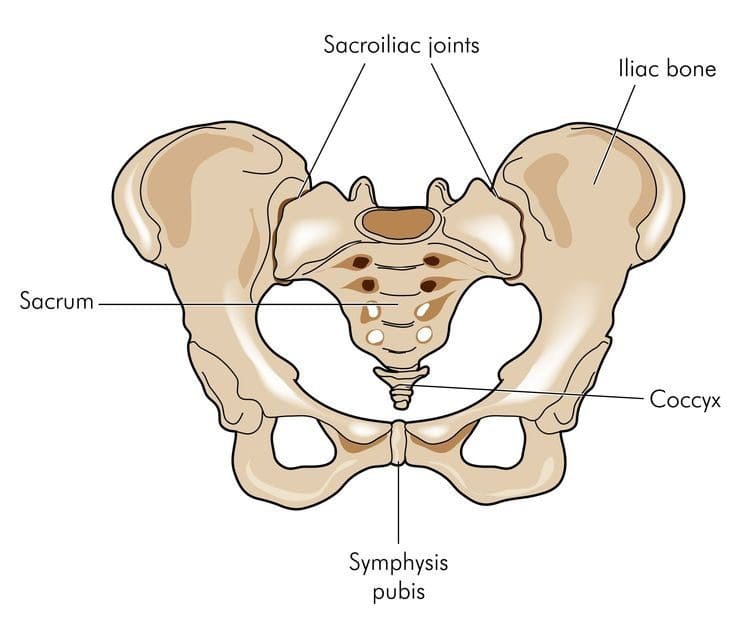
The two sacroiliac joints help connect either side of the sacrum to the hip joint. Like other joints, these can get inflamed and cause painful symptoms. This is an injection directly into one or both of the sacroiliac joints.
Administration of the spinal injection or nerve block
Injections are only to be performed by doctors trained specifically in spinal injections. Injections are usually performed by an:
Anesthesiologist
Neurologist
Neurosurgeon
Orthopedic surgeon
Physiatrist
Radiologist
Role of these procedures
Reasons why an injection could be used:
Help as a diagnostic to identify the pain generator
Therapeutically to provide pain relief
As a prognostic pain predictor of the relief, an individual could expect from a more invasive procedure like nerve ablation.
How often
A maximum of 6 injections for one year is the recommended treatment protocol. Each injection should be based on the effect/s of the previous injection.
Potential benefits
The main benefit is to bring pain relief and the ability to function.
Major complications happen in less than one percent of those undergoing the treatment. Individuals with diabetes could see a temporary elevation of their blood sugar.
Lasting effects
How long the medicine lasts is different for everyone and comes with variables like:
Type of injection
Type of pathology
Diagnosis
Cause
How long the symptoms last
Most can expect to have one and a half to three months of relief. However, with some, they may only provide minimal relief, while others may see improvements for up to a year.
Treating Severe & Complex Sciatica Syndromes
Dr. Alex Jimenez’s Blog Post Disclaimer
The scope of our information is limited to chiropractic, musculoskeletal, physical medicines, wellness, and sensitive health issues and/or functional medicine articles, topics, and discussions. We use functional health & wellness protocols to treat and support care for injuries or disorders of the musculoskeletal system. Our posts, topics, subjects, and insights cover clinical matters, issues, and topics that relate and support directly or indirectly our clinical scope of practice.*
Our office has made a reasonable attempt to provide supportive citations and has identified the relevant research study or studies supporting our posts. We also make copies of supporting research studies available to the board and or the public upon request. We understand that we cover matters that require an additional explanation as to how it may assist in a particular care plan or treatment protocol; therefore, to further discuss the subject matter above, please feel free to ask Dr. Alex Jimenez or contact us at 915-850-0900. The provider(s) Licensed in Texas& New Mexico*






 Again, We Welcome You.
Comments are closed.